
In recent years, many people are realizing that a smartwatch with blood oxygen monitoring is more than just a cool gadget — it can be a useful health tool. If you care about sleep, workouts, general wellness, or just want extra insight into your body, a watch that tracks SpO₂ (blood oxygen saturation) could be worth paying attention to.
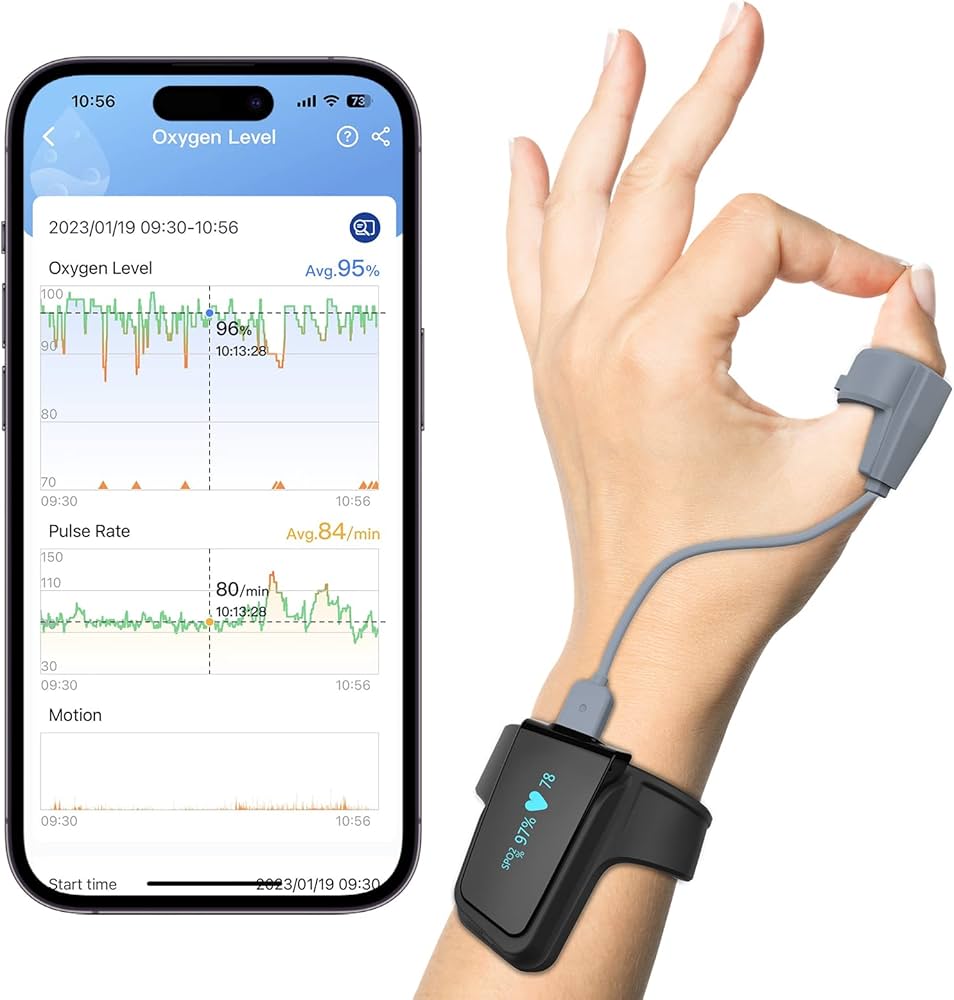
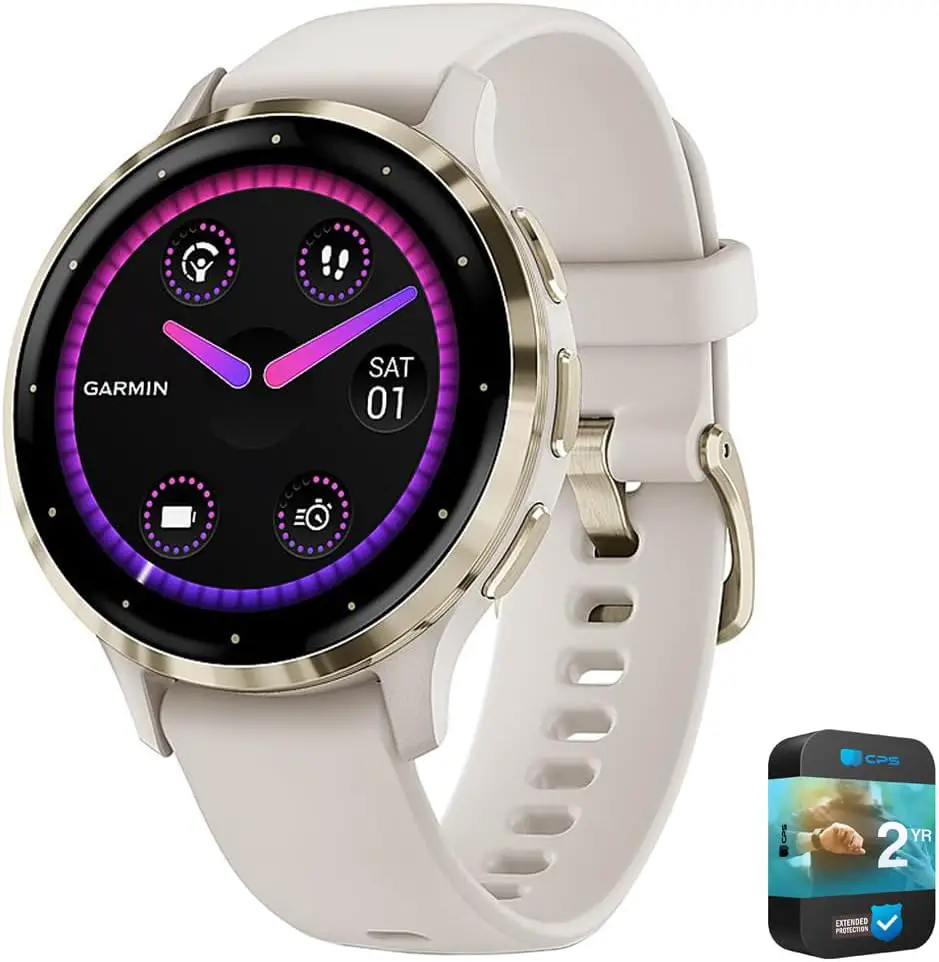
Table of Contents
✅ What Is Blood Oxygen (SpO₂) Monitoring — and Why It Matters
- What SpO₂ means: Your blood oxygen saturation (SpO₂) shows how much oxygen your blood is carrying. A normal healthy range is usually between 95%–100%.
- How smartwatches do it: These devices use light-based sensors on the back of the watch — shining red and infrared light through your skin to estimate oxygen levels. G
- When it can be useful: SpO₂ data might help when you sleep (to notice dips), during altitude changes (hiking, travel), during strenuous workouts, or to track general respiratory/heart health over time.
- Important caveat: Most wrist-based watches are not medical-grade. They’re good at spotting trends over time — but not ideal for diagnosing or monitoring serious conditions.
Because of this, many experts recommend treating watch-based oxygen readings as helpful signals, not definitive measurements.
🔍 What to Look For in a Smartwatch with Blood Oxygen Monitoring
If you’re shopping for a watch with SpO₂ capabilities, these are the features to pay attention to:
- Continuous or nightly SpO₂ tracking: Some watches only let you check once manually — others automatically track during sleep or throughout the day, giving better insight into patterns.
- Reliable sensors and software: Better sensors + refined algorithms give more consistent results. Compared to medical-grade pulse oximeters, wrist-based sensors are less accurate but still useful if well-designed.
- Supporting health metrics: Heart rate, sleep tracking, stress/HRV, activity levels — these add context and make SpO₂ data more meaningful.
- Battery life & comfort: If you plan to wear it overnight (for sleep or SpO₂ tracking), you want good battery life and a comfortable fit.
- App ecosystem & compatibility: A well-designed companion app (and compatibility with your phone) makes a big difference in usability — for viewing trends, exporting data, etc.
🎯 Top Recommended Smartwatches with Blood Oxygen Monitoring (2025 Picks)
Here are some of the most popular and feature-rich smartwatches today that support SpO₂ — from budget-friendly models to premium devices. All offer blood oxygen monitoring among other health and fitness features:
Quick highlights
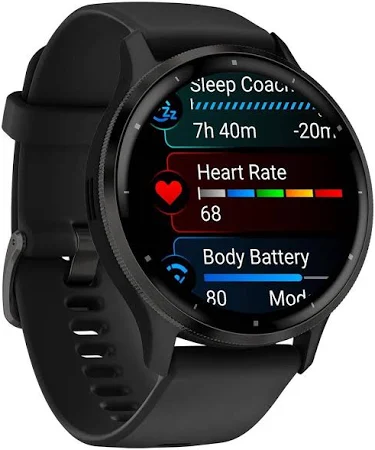
- Garmin Venu 3 Smartwatch — Great all-around choice: strong health tracking (blood oxygen, heart rate, sleep, stress), built-in GPS, and a bright AMOLED display. A solid pick if you want a balance between fitness and health monitoring.
- Samsung Galaxy Watch7 — Strong value, especially for Android users. Offers SpO₂ tracking along with everyday smartwatch features, fitness tracking, and good app support.
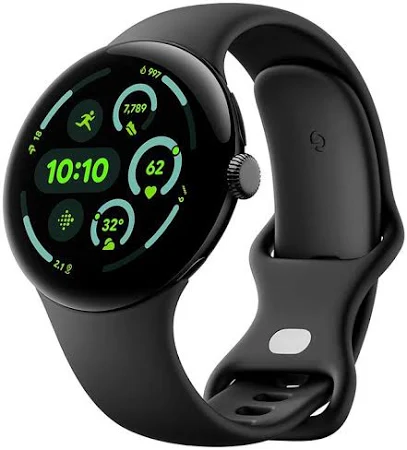
- Google Pixel Watch 3 — Combines a sleek Wear OS smartwatch experience with health tracking from Fitbit. Great if you want apps + wellness features in one.
- Withings ScanWatch 2 — Hybrid-style watch with long battery life and reliable health metrics. Ideal for users who prefer less frequent charging and a classic watch look.
- Fitbit Sense 2 Advanced Health Smartwatch — Strong on sleep, heart rate, stress and blood oxygen monitoring. Good for wellness-focused users, including sleep quality tracking.
- Amazfit Bip 6 Smartwatch — Budget-friendly but surprisingly capable: tracks blood oxygen, heart rate, sleep, stress — perfect if you want to try SpO₂ monitoring without spending much.
- Garmin Fenix 8 Pro AMOLED Smartwatch — Premium/outdoor-oriented smartwatch with advanced health + fitness tracking (including SpO₂). Great for serious athletes, hikers, or anyone who wants robust hardware and long battery life.
- Fitbit Versa 4 Fitness Smartwatch — A well-rounded fitness smartwatch offering SpO₂ and other health/fitness metrics — good for everyday wear, workouts, and sleep tracking.
⚠️ What to Know — Limitations & Realistic Expectations
It’s important to understand what a “smartwatch with blood oxygen monitoring” can — and can’t — do well:
- Not a medical device: Wrist-based SpO₂ sensors are convenient, but generally less accurate than fingertip or clinical pulse oximeters.
- Influencing factors: Movement, improper fit, skin tone, ambient light, and even altitude can affect readings on a watch.
- Best for trend tracking: Use your watch to observe patterns (sleep oxygen dips, recovery after workouts, general wellness) — not to diagnose or monitor severe health conditions.
- Complement — don’t replace — real monitoring: If oxygen levels or breathing are a medical concern (lung disease, sleep apnea, COPD, etc.), a dedicated medical-grade pulse oximeter or clinical check-up remains recommended.
🧠 Should You Get a Smartwatch with Blood Oxygen Monitoring?
If you care about overall wellness — sleep quality, recovery, stress, general heart/lung health or activity recovery — then a smartwatch with SpO₂ and health-tracking features can be a useful addition.
- For everyday users, even a budget-friendly watch can provide helpful trends and awareness.
- For fitness enthusiasts or outdoorsy people, a premium watch adds value — especially with built-in GPS, sleep + stress tracking, and multi-day battery life.
- But if you need medical-grade oxygen monitoring, treat watch-based values as rough indicators — not replacements for proper devices.
❓ Frequently Asked Questions (FAQs) About Smartwatch with Blood Oxygen Monitoring
1. What does a smartwatch with blood oxygen monitoring actually measure?
A smartwatch with blood oxygen monitoring measures your SpO₂ level, which is the oxygen saturation present in your blood. It estimates how much oxygen your red blood cells are carrying — usually expressed between 95% to 100% for healthy individuals.
2. How accurate are blood oxygen readings on smartwatches?
Smartwatches provide a useful estimate and trend, but they are not as accurate as a medical-grade pulse oximeter. Movement, loose fit, skin temperature, hair, tattoos, and sweat can affect readings. They are best used for tracking trends rather than diagnosing health issues.
3. Can a smartwatch detect sleep apnea using SpO₂?
Many people use smartwatches to observe night-time blood oxygen drops, which might indicate breathing issues. However, a smartwatch cannot confirm sleep apnea — it can only signal patterns worth discussing with a doctor for proper diagnosis.
4. Is it safe to rely only on a smartwatch for health readings?
It’s safe for wellness tracking, but not advisable for medical decisions. A smartwatch with blood oxygen monitoring should complement — not replace — medical tools. For serious symptoms like shortness of breath or low oxygen levels, a doctor or medical oximeter is recommended.
5. Does continuous SpO₂ tracking drain battery fast?
Yes — continuous monitoring during workouts or sleep can consume more power. Some watches let you switch between manual checks and automatic tracking to balance battery life.
6. Can smartwatches help athletes using SpO₂ tracking?
Absolutely. Athletes can use a smartwatch with SpO₂ to track recovery, lung performance, altitude adaptation, and training intensity. This helps optimize workouts and understand body stress levels.
7. Which smartwatch brand gives the best SpO₂ tracking?
Premium models like Garmin, Apple, Samsung, Fitbit, and Withings offer reputable SpO₂ tracking with additional fitness insights. Budget options like Amazfit still provide solid value for everyday users.
8. Do I need a special subscription to see my SpO₂ data?
Most watches don’t require a subscription for SpO₂ readings, but some advanced health reports or long-term analytics may be behind premium plans depending on the brand and app.
9. Does wearing the watch tight or loose matter for accuracy?
Yes. A snug fit is important to ensure the sensors make proper contact with your skin. Wearing it too loosely can lead to inconsistent readings.
10. Is a smartwatch with blood oxygen monitoring worth buying?
If you care about health metrics like sleep quality, workout recovery, breathing patterns, or general wellness tracking, then it’s a great choice. It gives you real-time awareness of your body — but remember it’s not a medical device.

📝 Final Thoughts
A smartwatch with blood oxygen monitoring is a helpful wellness tool, not a medical device. It’s best used for tracking trends — sleep quality, recovery, general health — rather than precise diagnostics. If chosen carefully (good sensor, reliable brand, supportive app), it can give extra insight into your body.
If you like — I can also prepare a “pros vs cons” table comparing smartwatch SpO₂ monitoring vs fingertip/medical pulse oximeter (so you see side-by-side what works and what doesn’t).
Do you want me to build that table for you now?