
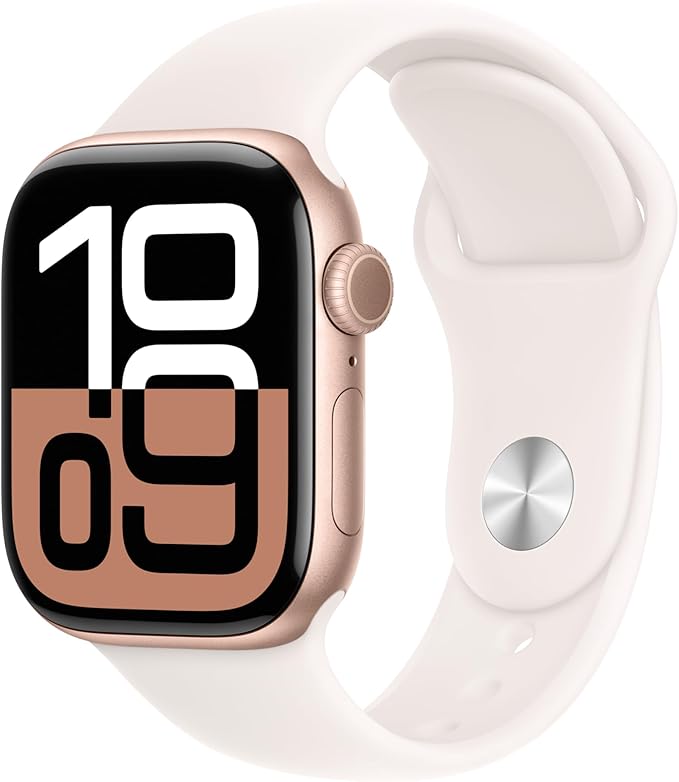
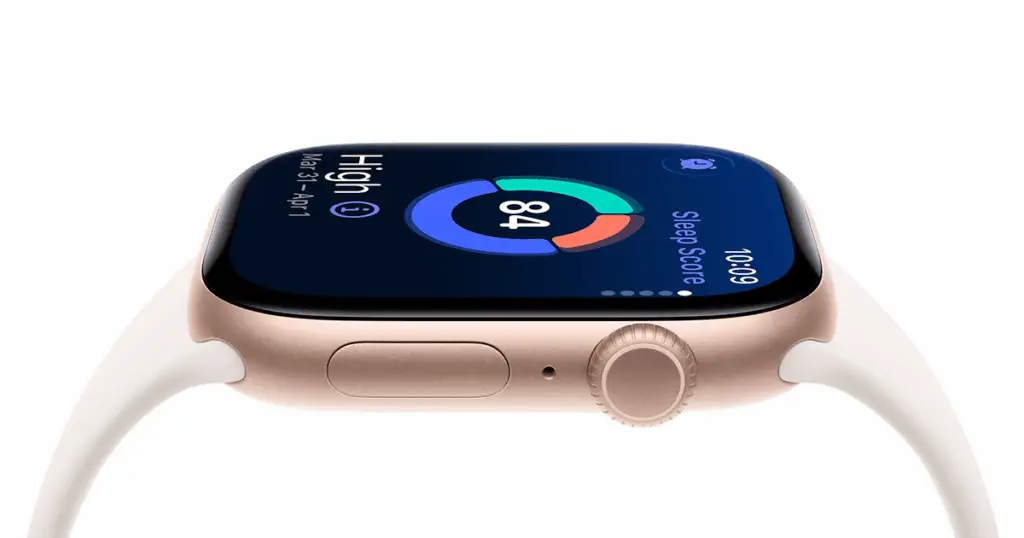
Smartwatches have evolved from simple fitness trackers into powerful personal health assistants. In 2025, AI-powered smartwatches offer predictive health monitoring and AI-driven coaching, helping you make smarter choices about fitness, sleep, stress, and overall wellness.
Whether you’re a tech enthusiast, a fitness junkie, or someone who wants to take control of your health, this guide covers everything you need to know about AI-powered smartwatches in 2025.
Table of Contents
What Are AI-Powered Smartwatches?
AI-powered smartwatches combine advanced sensors with intelligent algorithms to track your health in real-time. From monitoring heart rate and sleep to analyzing stress and recovery, these devices interpret your data and provide actionable insights.
For example, Google’s Pixel Watch 3 integrates Fitbit’s AI health tools, offering personalized recommendations for workouts and recovery.
Predictive Health Monitoring: Staying Ahead of Health Issues
One of the standout features of modern smartwatches is predictive health monitoring. These devices identify patterns in your body data to anticipate potential health problems:
- Withings ScanWatch 2 alerts users to irregular heart rhythms and sleep disturbances (theverge.com).
- Samsung Galaxy Watch 8 uses AI algorithms to detect early signs of heart failure and other cardiovascular conditions (androidcentral.com).
With predictive health monitoring, your smartwatch becomes a proactive health companion rather than just a tracker.
AI Coaching: Personalized Fitness & Wellness Guidance
Beyond tracking, AI-powered smartwatches coach you to improve your health. They use your data to suggest workouts, stress management techniques, and recovery tips:
- Fitbit’s AI-powered app delivers a personal health coach experience (wired.com).
- CMF Watch 3 Pro provides real-time fitness guidance based on your health metrics (androidcentral.com).
AI coaching is like having a personal trainer and wellness expert on your wrist 24/7.
Why AI is Transforming Wearables
AI allows smartwatches to learn from your habits. Over time, they provide more accurate insights, smarter alerts, and personalized recommendations. Generative AI even creates daily health scores, suggests lifestyle adjustments, or simulates workout plans tailored to your metrics (techinsights.com).
Battery Life & Design: Smart Yet Practical
Even with advanced AI features, modern smartwatches maintain impressive battery life. The Withings ScanWatch 2, for example, lasts up to 35 days (theverge.com).
Designs range from sleek and minimalist to rugged and sporty, ensuring there’s a smartwatch for every preference.
Top AI-Powered Smartwatches in 2025: Comparison Table
| Smartwatch | AI Features | Predictive Health Monitoring | AI Coaching | Battery Life | Best For | More Info |
|---|---|---|---|---|---|---|
| Apple Watch Series 10 | ECG, AI fitness suggestions, Fall Detection | Early heart irregularities, stress alerts | Personalized workouts & recovery | 1–2 days | iPhone users & health tracking | Apple Watch Series 10 |
| Samsung Galaxy Watch 8 | Heart rate AI, sleep & stress tracking | Early detection of LVSD, sleep apnea trends | Custom fitness & recovery plans | 2 days | Android users & predictive health | Samsung Galaxy Watch 8 |
| Withings ScanWatch 2 | ECG, SpO₂ monitoring, AI health scoring | Alerts for irregular heart rhythms & sleep disturbances | Basic coaching recommendations | 35 days | Long battery life & hybrid design | Withings ScanWatch 2 |
| Fitbit Sense 2 | AI stress & sleep analysis, fitness tracking | Heart health alerts, sleep cycle insights | Personalized wellness & exercise guidance | 6 days | Stress & sleep tracking | Fitbit Sense 2 |
| CMF Watch 3 Pro | AI-driven fitness & recovery suggestions | Predictive health coaching | Real-time personalized workouts | 10 days | Affordable AI coaching | CMF Watch 3 Pro |
FAQs About AI-Powered Smartwatches in 2025
1. What makes AI-powered smartwatches different from regular smartwatches?
AI-powered smartwatches analyze your health data and provide personalized coaching, predictive alerts, and actionable insights—not just step counts.
2. Can AI smartwatches predict health problems?
Yes, devices like Withings ScanWatch 2 and Samsung Galaxy Watch 8 can detect early signs of heart or sleep issues. They’re supplemental tools, not medical devices.
3. Which smartwatch is best for AI coaching in 2025?
Fitbit Sense 3 and CMF Watch 3 Pro are leading for AI-driven fitness and wellness guidance.
4. How long do AI-powered smartwatches last on a single charge?
Battery life varies: Withings ScanWatch 2 can last up to 35 days, while more advanced displays like Apple Watch Series 10 last 1–2 days.
5. Are AI-powered smartwatches worth the investment?
Absolutely. They help you stay proactive about your health, provide personalized coaching, and can detect early warning signs of health issues.
6. Can AI smartwatches replace doctors?
No. They supplement healthcare by monitoring trends and providing insights, but professional medical consultation is always necessary.
Conclusion
AI-powered smartwatches in 2025 are redefining personal health and fitness tracking. With advanced predictive health monitoring and AI-driven coaching, these wearables help users anticipate health issues, improve workouts, manage stress, and optimize sleep.
Whether you choose the Apple Watch Series 10, Samsung Galaxy Watch 8, or Fitbit Sense 3, investing in an AI-powered smartwatch means taking control of your wellness with smart, personalized insights.
As wearable technology continues to evolve, these smartwatches are no longer just gadgets—they’re essential tools for proactive health management.